How to Choose kakobuy Weightlifting Shoes
How to Choose kakobuy Weightlifting Shoes
How to Choose kakobuy Weightlifting Shoes: Check Hard Sole, Heel Height, and Squat Stability
Weightlifting shoes aren't "the harder the sole, the better," nor is a higher heel always right for everyone. What you really need to verify is: whether the sole reduces foot movement, whether the heel height suits your ankle mobility, whether the upper secures the foot sufficiently, and whether the inner space accommodates your foot shape.
This article solves a specific problem: you've found a pair of weightlifting shoes that might work for squats, snatches, or clean and jerks, but you don't know which structural and sizing details to check. After reading, you'll be able to filter product pages, verify sizing, review QC photos, and decide whether to place an order.
This article is not a substitute for a coach's judgment on technique, and it's not meant to treat weightlifting shoes as running shoes, long-distance walking shoes, or all-day everyday shoes. Different brands and models may vary in actual fit, last, and heel height, so always prioritize the specific product page and visible information after the item arrives at the warehouse. 🏋️
First Clarify Your Stability Needs in Squat Training
The core function of weightlifting shoes is to create more controllable support between your foot and the ground. During squats, if the sole is too soft or the upper's lockdown is insufficient, your foot may shift under load; but if the heel height, last, or sole shape doesn't suit you, the movement feel can also suffer.
First, note your training focus:
Do you mainly do high-bar squats, front squats, or low-bar squats?
Do you train snatches, clean and jerks, or other movements that require rapid position changes?
Is your ankle dorsiflexion limited, and do your heels tend to lift during squats?
Do you need more secure lockdown, or a more natural foot space?
Is your training surface a flat, hard lifting platform or gym floor?
If your main issues are heel lift, inability to move knees forward smoothly, or excessive torso lean, a weightlifting shoe's heel may help; but it cannot automatically correct technique flaws. If the problem comes from excessive load, improper stance width, or lack of motor control, you'll still need to adjust your training plan even with new shoes.
Stability needs can be roughly divided into three categories:
Need stronger sole support: prioritize checking hard sole structure and upper lockdown.
Need to improve squat posture: focus on heel height, ankle mobility, and stance width.
Need to accommodate multiple types of training: confirm whether the shoes will restrict deadlifts, jumps, or daily movement.
Distinguish Between Hard Sole, Heel Height, and Upper Lockdown
Terms like "hard sole," "high heel," and "stability" on product pages cannot be used alone as buying criteria. You should examine the visible structures they correspond to separately.
Check Item | What to Observe | Possible Benefits | Red Flags |
|---|---|---|---|
Sole Hardness | Whether the sole has a clear rigid support structure and a flat bottom | Reduces compression and wobble under load | Only marketing description, no structural images or material info |
Heel Height | Whether the product page states a specific height and the forefoot-to-heel drop is clear | Helps some lifters improve squat angle with limited ankle mobility | Only says "high heel" without numbers, or inconsistent data across pages |
Upper Lockdown | Whether laces, Velcro, straps, and heel counter are clearly visible | Reduces foot sliding inside the shoe | Strap position can't be determined, or upper only emphasizes appearance |
Sole Tread | Whether forefoot and heel contact surfaces are complete, symmetrical, and without obvious deformation | Provides more stable ground contact | Excessive sole bending, edge curling, or missing tread |
A hard sole doesn't mean it can't bend at all. You should focus on support performance under loaded standing and squatting, not whether you can bend the shoe by hand. Product images only help with initial screening; they cannot prove the sole has been actually load-tested.
There is no universal "best" heel height. A higher heel may help some lifters maintain torso position, but it can also alter coordination among knees, hips, and ankles. If you usually train in flat shoes, when switching to a significantly higher heel, start with lighter weights to get used to the movement.
Upper lockdown ideally has both adjustable structure and clear force zones. Laces provide fit, straps or Velcro often add midfoot security, but final suitability still depends on instep height, foot width, and last.
Check Inner Space According to Foot Shape and Training Movements
Sizing isn't just about foot length. Toe box width, instep height, heel wrap, and midfoot width all affect stability during training.
Before ordering, prepare the following:
Bare foot length, ideally measured for each foot separately.
Width at the widest part of the forefoot.
Whether your instep is high, normal, or low.
The brand, size, and fit of your usual athletic shoes.
Whether you wear thick socks or functional training socks during training.
Measure when your feet are in a relatively natural state during the day, and use the longer foot as reference. Don't directly assume your old shoe size equals the new shoe size, because different lasts can have significantly different internal space.
If your toes frequently hit the toe cap, the length or toe shape may not be right; if the midfoot is noticeably compressed by straps, the problem may be instep height or upper structure; if the heel lifts but the forefoot is tight, the heel wrap and last width may not match.
Also factor in training movements:
Mainly squats: prioritize heel drop, sole support, and forefoot space.
Need snatches and clean and jerks: also check upper lockdown, sole grip, and wrap feel during quick movements.
Also do deadlifts: confirm whether the heel changes your starting position. If necessary, prepare another pair of shoes more suitable for deadlifts.
Need to walk a lot: don't mistake the training support structure of weightlifting shoes for everyday comfort.
If the product page lacks a complete size chart, insole length, or width recommendations, don't order based solely on a comment like "true to size." If uncertain, ask customer service about the specific sizing measurement method first, and save the product page information for later reference. 📏
Check Product Page Specifications and Visible Structural Evidence
When filtering products on kakobuy, first confirm that the product page itself is valid: the page should load properly, have a clear product name, and provide enough visible images, sizing, or structural information to support a judgment. Blank pages, tag-only pages, pages that don't open, and pages missing key information should not be considered reliable samples.
Recommended product page checking order:
Confirm the product name and specific model to avoid confusing different versions of the same series.
Look at the size chart, note the size units, foot length range, and any width notes.
Find heel height, sole material, upper material, and closure system.
Compare sole, side, heel, and inner space images to see if descriptions match visible structures.
Check current price, stock, and seller info, and record the verification date.
Confirm whether the product has customization, restrictions, or other conditions affecting returns/exchanges.
Prices, stock, sellers, shipping costs, and page status may change. This article does not fill in these dynamic details for specific products, nor does it extend visual judgments from product images to conclusions about material feel or durability. Before publishing or ordering, re-check the specific product page.
When buying through kakobuy, costs usually need to be viewed separately: product price, domestic shipping within mainland China, international shipping, and possible customs clearance fees. International shipping is affected by product weight, shipping method, and destination region; you cannot judge total cost from the product page price alone. Platform information shows that customs clearance fees are usually related to the shipping method, with an example amount of RMB 8, but the actual amount should be based on the checkout page.
If using platform coupons, also confirm applicable conditions, validity period, and whether they are limited to shipping. Platform information shows that new user registration may offer shipping coupons and an exclusive no-threshold shipping coupon with code kakobuy888; these are time-sensitive offers, so confirm they are still usable before submitting your order.
Use QC Photos to Check Sole, Heel, and Left-Right Symmetry
QC photos are suitable for appearance and order information checks, not laboratory tests, and they cannot prove the shoe's actual performance under load. Platform information shows that inspection services mainly check appearance details such as style, quantity, color, size, and model, and check for prohibited items; shoes can typically undergo corresponding appearance checks, but the specific visible range still depends on warehouse photos and product packaging condition.
After receiving QC photos, check in this order:
Order info: style, color, size, and quantity match your order.
Sole: both soles intact, edges not lifting, no obvious cracks, dents, or signs of sole separation.
Heel: left and right heel heights and shapes roughly symmetrical, heel bottom flat.
Upper: no obvious scratches, stains, tears, or stitching anomalies.
Closure structure: lace holes, straps, Velcro, and buckles complete.
Toe and heel: no obvious deformation, left-right appearance not excessively different.
Accessories: shoe box, insoles, or promised accessories included.
Shooting angles affect judgment. Front photos are good for left-right symmetry, side photos for heel and sole drop, bottom photos for contact surfaces, top photos for toe width and upper deformation. If key areas aren't photographed, don't treat "no visible problem" as "confirmed no problem."
When you spot something questionable, keep the order number and corresponding photos, and ask platform customer service or the warehouse a specific question, such as "Please take additional photos of both shoes' sole side profiles" or "Please confirm the size label matches the order." Don't ask the warehouse to use photos to prove the shoes will definitely fit your movement, and don't write photo observations as personal touch or wear experiences.
Platform information shows that regular products support 5-day no-reason returns/exchanges within 120 hours after warehousing, but customized, restricted, intimate apparel, food items, and items where you've already requested removal of packaging, tags, or accessories may not apply. Whether returns/exchanges are possible depends on the specific product and current platform policies. 🧾
When Not to Use Weightlifting Shoes as Everyday Shoes
Weightlifting shoes are designed for support and lockdown during training, so they are not necessarily suitable for:
Running, ball sports, or training that requires frequent direction changes.
Long-distance walking, travel, and prolonged standing.
Fitness classes that require natural foot bending.
Directly doing heavy training without adjusting to the heel height.
Foot pain, numbness, or known injuries without professional advice.
If you only do light machine training, or your routine often switches between squats, deadlifts, jumps, and running, a more versatile training shoe may better suit your needs. Weightlifting shoes can be specialized equipment rather than covering all training scenarios.
If you experience persistent pain, toe numbness, noticeable heel slippage, or worse balance than before after putting on the shoes, stop adding weight and re-check sizing, straps, and heel fit. Shoes should not be used to mask technique or mobility issues.
Complete the Size, Purpose, and Return/Exchange Checklist Before Ordering
Before submitting an order on kakobuy, do a quick pre-check:
You've written down left and right foot lengths and compared them with the specific product's size chart.
You've confirmed whether heel height has a clear numerical value or reliable structural info.
You've confirmed sole hardness, upper lockdown, and toe space fit your training purpose.
You've distinguished among squat, weightlifting, deadlift, and everyday wear needs.
You've recorded product price, seller, stock, and verification date.
You've estimated product cost, domestic shipping, international shipping, and possible customs fees.
You've reviewed return/exchange conditions and confirmed no customization or restrictions.
You understand what QC photos can and cannot verify.
You're prepared to promptly request after-sales service if sizing, style, or appearance issues arise.
Platform information shows that kakobuy offers multiple logistics routes and cooperates with carriers like UPS, EMS, and DHL; actual available routes, transit times, prices, and restrictions should be based on the checkout page. Free storage period, abnormal parcel handling deadlines, and other warehousing conditions may also affect your decision; check current policies before submitting your order.
Final Actions After Submitting the Order
If the product page information is complete, sizing and purpose match, and QC photos confirm key appearance items, you can submit the order and save order records. Then proceed through warehousing, QC check, return/exchange decision, consolidation or shipping, logistics tracking, and receipt inspection in order.
Consolidation is not always cheaper. It may reduce duplicate initial weight or some processing costs, but it can also increase volumetric weight, parcel value, and single-loss risk; splitting may add fixed fees but might be better for route restrictions or risk diversification. Calculate based on actual weight, destination country rules, available routes, and platform checkout totals; don't apply a universal conclusion.
The approach in this article suits buyers who: have clear training purposes, are willing to verify sizing and structure, and can promptly address issues based on QC information. It is not suitable for: those without specific product page data, those who cannot confirm foot length, those who just want a pair of everyday commuting shoes, or those who cannot accept the feel difference between weightlifting shoes and regular training shoes.
The final judgment can be compressed into one sentence: First determine stability needs from training movements, then verify the product against heel, hard sole, upper lockdown, and foot shape data, and finally confirm order and appearance via QC photos. If any key step cannot be verified, pause the order and gather the missing information. ✅
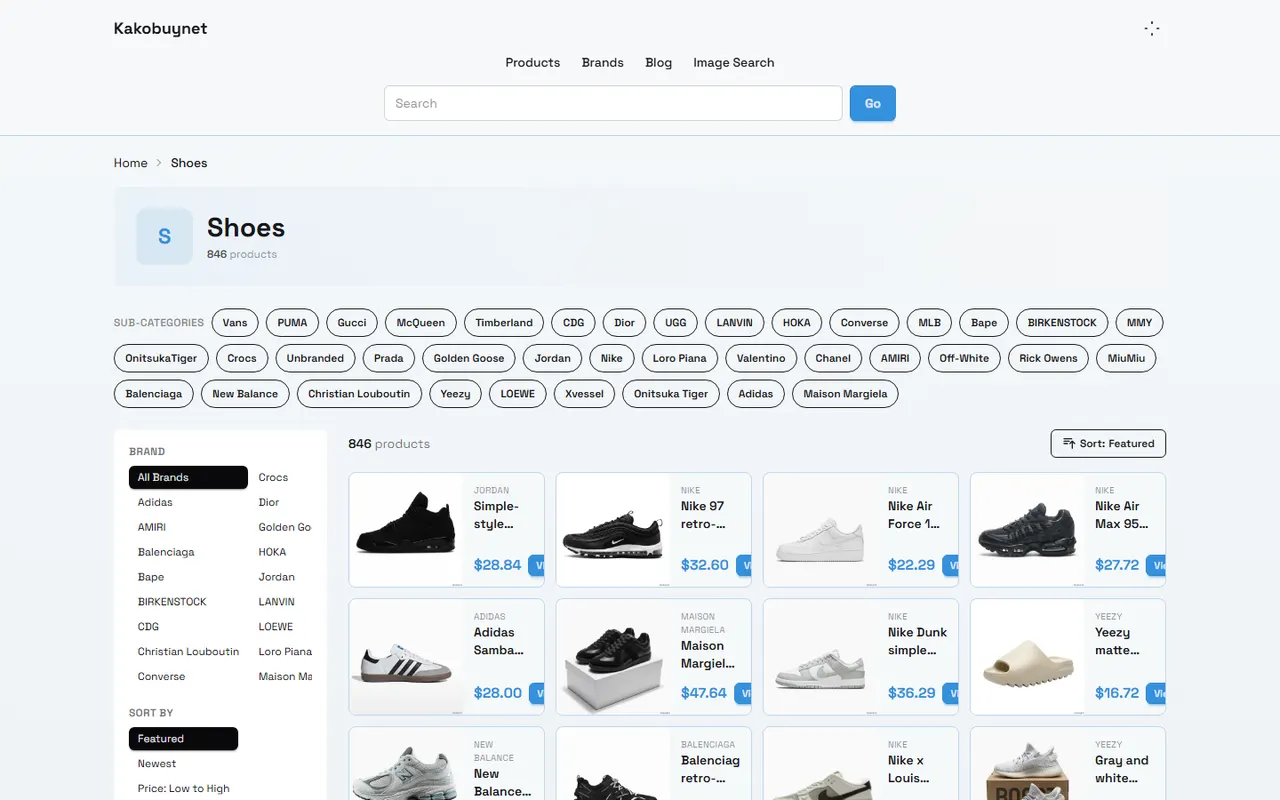
Figure: Visual guide for comparing sole, heel, closure structure, and training purpose when selecting weightlifting shoes.
Agent Platform Shopping FAQ
1. What exactly do QC photos mean on kakobuy?
kakobuy has a dedicated quality inspection team. When your items arrive at the kakobuy warehouse, staff perform quality checks and take QC photos. Typically, three photos are taken per item, and the team checks whether the color, size, specifications, and quantity match your order, as well as whether there are quality issues. However, electronics are excluded and only checked for appearance. If quality issues or size/color mismatches are found, the team immediately requests a return from the seller to ensure you receive good quality items.
2. On kakobuy, how can I find the product I want to buy?
You can search using a single keyword, or go directly to category pages, where products are also organized by brand. Longer search terms usually return fewer results but are more precise. For example, you can search "Air Force 1 White," "sneakers," or just "Air Force 1."
Browse our latest products and find your next favorite item.